Lhasa: Touching the Cultural Secret Land Above the Clouds
When the plane passes through the clouds, the continuous snow-capped mountains in the distance gradually become clear, and the red and white architectural complex in the river valley glistens in the sun. At this moment, you will know that Lhasa, the "City of Sunlight", is opening its arms waiting for your arrival. This place is not only a plateau pearl at an altitude of 3,650 meters, but also the core palace of Tibetan culture. Every inch of land here has accumulated thousands of years of beliefs and stories, and every gust of wind carries a unique humanistic atmosphere, waiting for travelers to measure with their steps and feel with their hearts.
I. City of Faith: Listening to the Passage of Time Among Red Walls and Golden Roofs
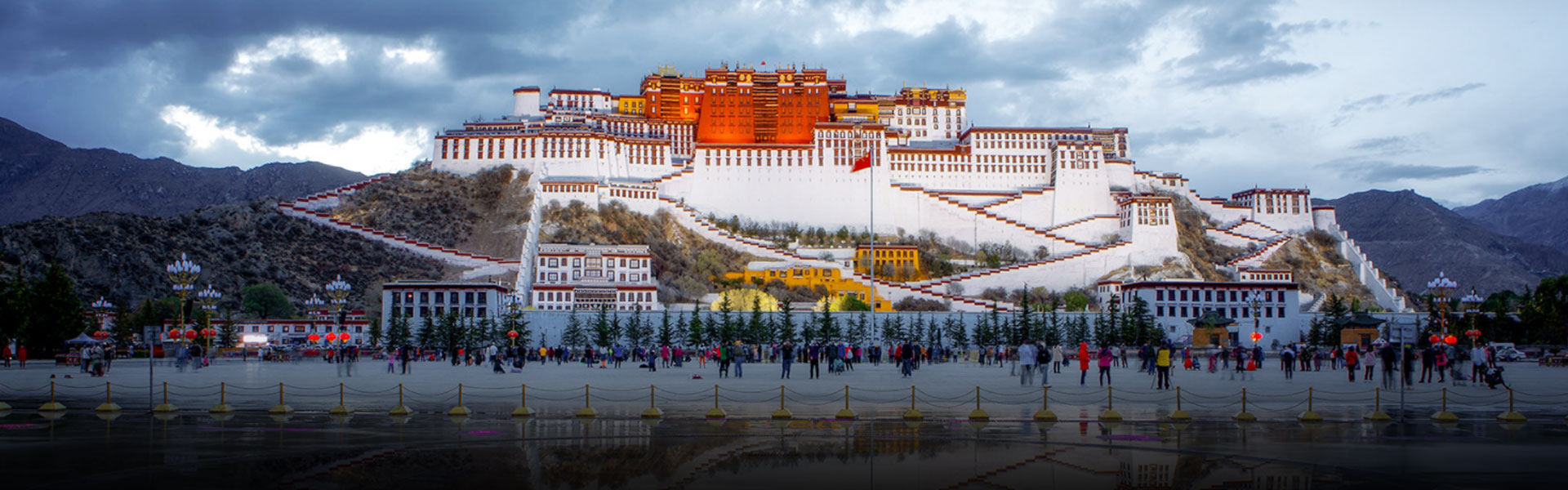
When it comes to Lhasa, the first thing that comes to mind must be the Potala Palace. Standing on Marpori Mountain, this palace is the tallest and most magnificent castle-style architectural complex in the world, and also a sacred place in the hearts of Tibetan Buddhism believers. The first ray of morning sun falls on the golden roof of the Potala Palace, and the gilded tiles reflect dazzling light in the morning glow, as if capable of penetrating the hustle and bustle of the world. Walking slowly up the thousand-step stairs, your fingertips brush against the weathered red walls. In your ears, there is the "gurgling" sound of prayer wheels turning, and from time to time, pilgrims holding prayer flags and with devout eyes pass by your side. Entering the interior of the palace, murals, thangkas, and sculptures can be seen everywhere. Each mural tells a Buddhist story, and each sculpture embodies the hard work of craftsmen. After hundreds of years, they still remain bright in color and vivid in appearance. Here, time seems to slow down. You can calm down, listen to the guide tell the legend of Songtsen Gampo and Princess Wencheng, and feel the profound heritage of Tibetan Buddhist culture.
The Jokhang Temple, not far from the Potala Palace, is also an important landmark of Lhasa's culture. The long-standing saying "First there was the Jokhang Temple, then there was Lhasa City" reveals the important position of the Jokhang Temple in Lhasa's history. The Barkhor Street in front of the temple is the busiest prayer path in Lhasa and an excellent place to experience the local lifestyle. Every early morning, countless pilgrims come from all directions to walk around Barkhor Street clockwise for prayer. Some hold prayer wheels, some prostrate themselves in long 磕 s (kneeling and bowing with the body touching the ground), and their eyes are firm and persistent. The shops along the street are filled with characteristic Tibetan products such as Tibetan jewelry, thangkas, and Tibetan incense. The shop owners communicate with tourists in not very fluent Mandarin, with simple smiles on their faces. Here, you can walk around for prayer with the crowd to feel that pure faith; you can also walk into a Tibetan sweet tea house, order a cup of sweet tea, and slowly savor the slow life of Lhasa.
II. Charm of Folk Customs: Experiencing Tibetan Style Amidst Laughter and Joy
To truly understand Lhasa's culture, you must not miss the local folk customs. The Tibetan people in Lhasa are warm and hospitable, and their lives are full of ritual sense and joy. If you have the opportunity to enter a Tibetan courtyard, the host will definitely present you with a white hada and hand you a cup of mellow highland barley wine. The hada is a symbol of the Tibetans' respect and blessings. The white hada is like the white clouds in the sky, carrying their most sincere emotions. Highland barley wine is brewed from highland barley unique to the plateau. It has a mellow taste and a long aftertaste. Taking a sip, you can feel the boldness of the plateau.
Tibetan song and dance is an important part of Lhasa's folk culture. In many restaurants or cultural venues in Lhasa, every night, there will be wonderful Tibetan song and dance performances. Tibetan girls wear colorful Tibetan costumes and magnificent jewelry, dancing gracefully to the lively music. Their dancing postures are light and beautiful, like eagles spreading their wings on the plateau. Tibetan young men hold Zham Nyen (a traditional Tibetan stringed instrument) and sing melodious Tibetan songs. Their voices are loud and clear, full of love for life. Tourists can also join in, singing and dancing to the rhythm, and feeling the enthusiasm and vitality of the Tibetan people amidst laughter and joy.
In addition, Lhasa has many unique traditional festivals, such as the Tibetan New Year and the Shoton Festival. The Tibetan New Year is the most grand festival for Tibetans. Every New Year, every household will clean the courtyard, paste Spring Festival couplets, make characteristic food, and get together with the whole family to celebrate the festival. The Shoton Festival is also known as the "Yogurt Festival". During the festival, people will go to places like Norbulingka to watch Tibetan operas and eat yogurt, and the scene is extremely lively. If you come to Lhasa during a festival, you can personally participate in these traditional activities and deeply experience Lhasa's folk culture.
III. Taste on the Tongue: Feeling the Plateau's Gifts in Characteristic Cuisine
The cuisine of Lhasa is not only a enjoyment for the taste buds, but also an important carrier of Tibetan culture. Due to its location on the plateau, most of the ingredients in Lhasa come from the local area, which are natural and pure, full of plateau characteristics.
Tibetan noodles are one of the most common staple foods for the people of Lhasa. The noodles are chewy, and the soup base is made by simmering yak meat, which is rich and delicious. With a few slices of yak meat and some pickled vegetables added, the taste is very unique. Tibetan noodle shops can be seen everywhere in the streets and alleys of Lhasa. In the early morning, a bowl of steaming Tibetan noodles with a cup of sweet tea is the most classic breakfast combination for local people.
Yak meat is one of the characteristic ingredients in Lhasa. Its meat is firm and rich in nutrition. In Lhasa, there are various ways to cook yak meat, such as roasted yak meat, dried yak meat, and yak meat hot pot. Roasted yak meat is crispy on the outside and tender on the inside. With an appropriate amount of cumin and chili powder sprinkled on it, it is fragrant. Dried yak meat is made by air-drying, which has a chewy texture and is a good snack. Yak meat hot pot is deeply loved by tourists for its rich soup base and fresh and tender meat. On the cold plateau, having a meal of steaming yak meat hot pot can warm your whole body.
In addition to Tibetan noodles and yak meat, Lhasa has many other characteristic foods, such as butter tea, tsampa, and yogurt. Butter tea is made by boiling butter, tea leaves, and salt. It has a rich taste and has the effects of refreshing the mind and relieving altitude sickness. Tsampa is made by roasting highland barley and then grinding it into powder. When eating, it is mixed with butter tea or highland barley wine and stirred evenly. It is a traditional staple food of the Tibetan people. Yogurt is made by fermenting yak milk. It has a sweet and sour taste, is rich in nutrition, and is a good product for relieving summer heat.
Lhasa, this city above the clouds, has both solemn and sacred religious culture, warm and enthusiastic folk customs, and delicious characteristic cuisine. Here, you can let go of the tiredness of life, feel the power of faith, and experience a different way of life. With every breath, you can feel the purity of the plateau; with every stop, you can discover the charm of culture. If you are eager for a spiritual journey, then Lhasa must be a destination you should not miss.

 WhatsApp +86 13550328585
 Sal.holidays25@gmail.com