 WhatsApp +86 13550328585
 Sal.holidays25@gmail.com
WhatsApp +86 13550328585Sal.holidays25@gmail.com
The charm of the giant panda has long transcended the realm of mere animals, becoming a global cultural symbol and emotional anchor. Its appeal is multifaceted and comprehensive, and can be summarized as follows:
Unparalleled “cuteness” (visual impact):
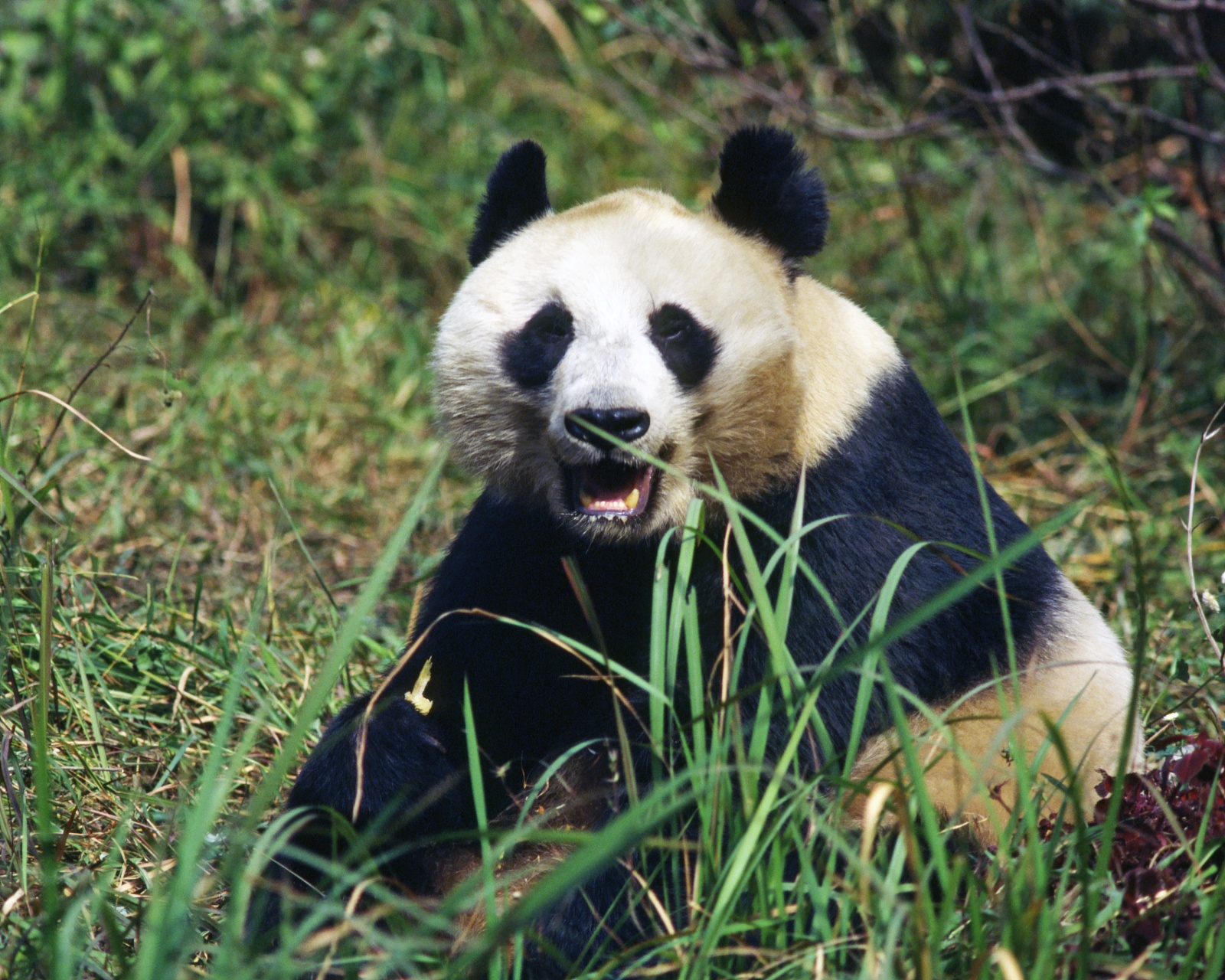
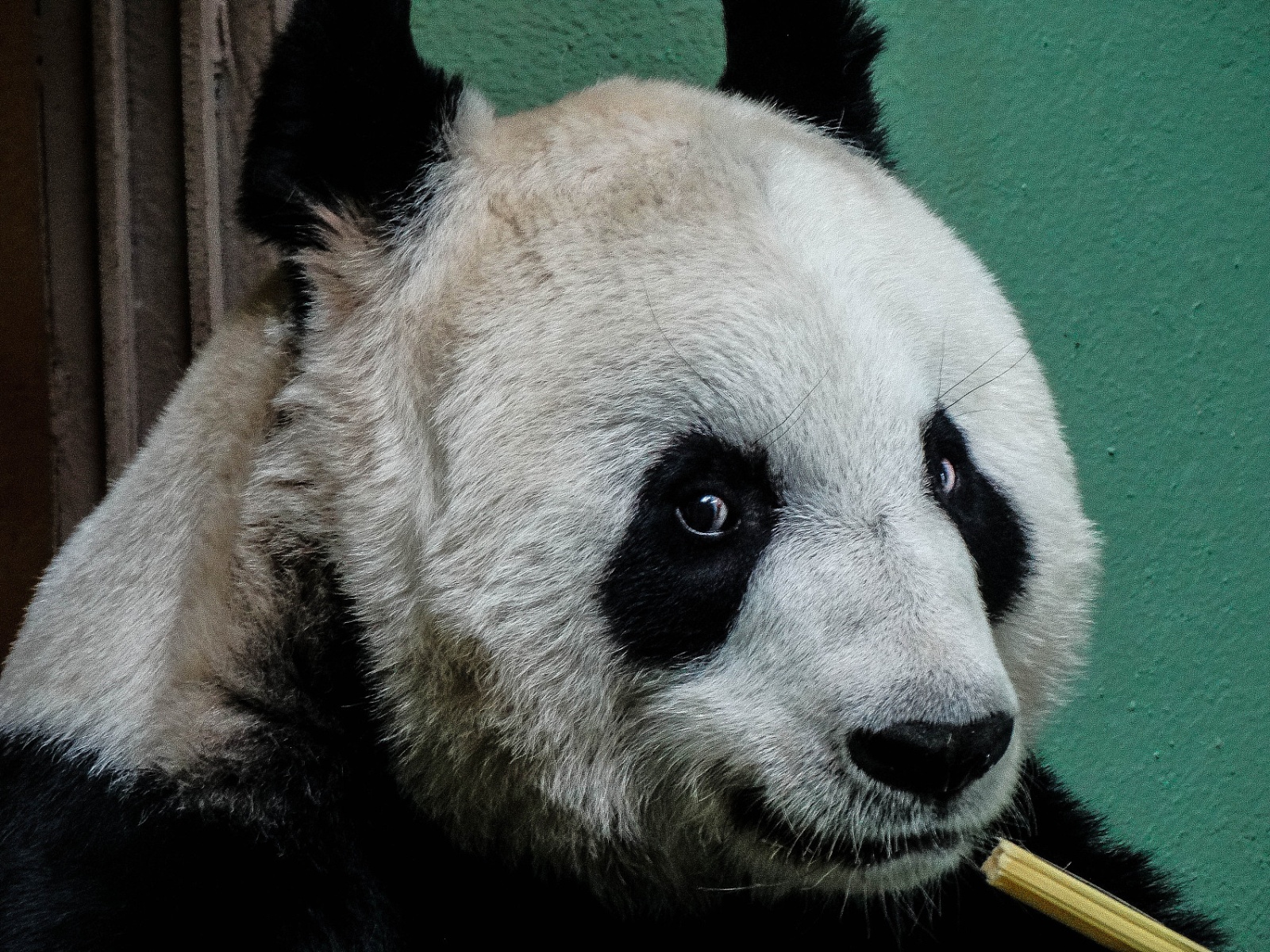
Unique black-and-white coloration: The simple, striking, high-contrast black-and-white fur is extremely rare in nature and has a strong visual impact, naturally evoking a “cartoon-like” and artistic feel.
Round, plump body: Their rounded build, short, stout limbs, and slow, clumsy movements (though they are actually quite agile) naturally align with human aesthetic preferences for “cuteness” (similar to infant features).
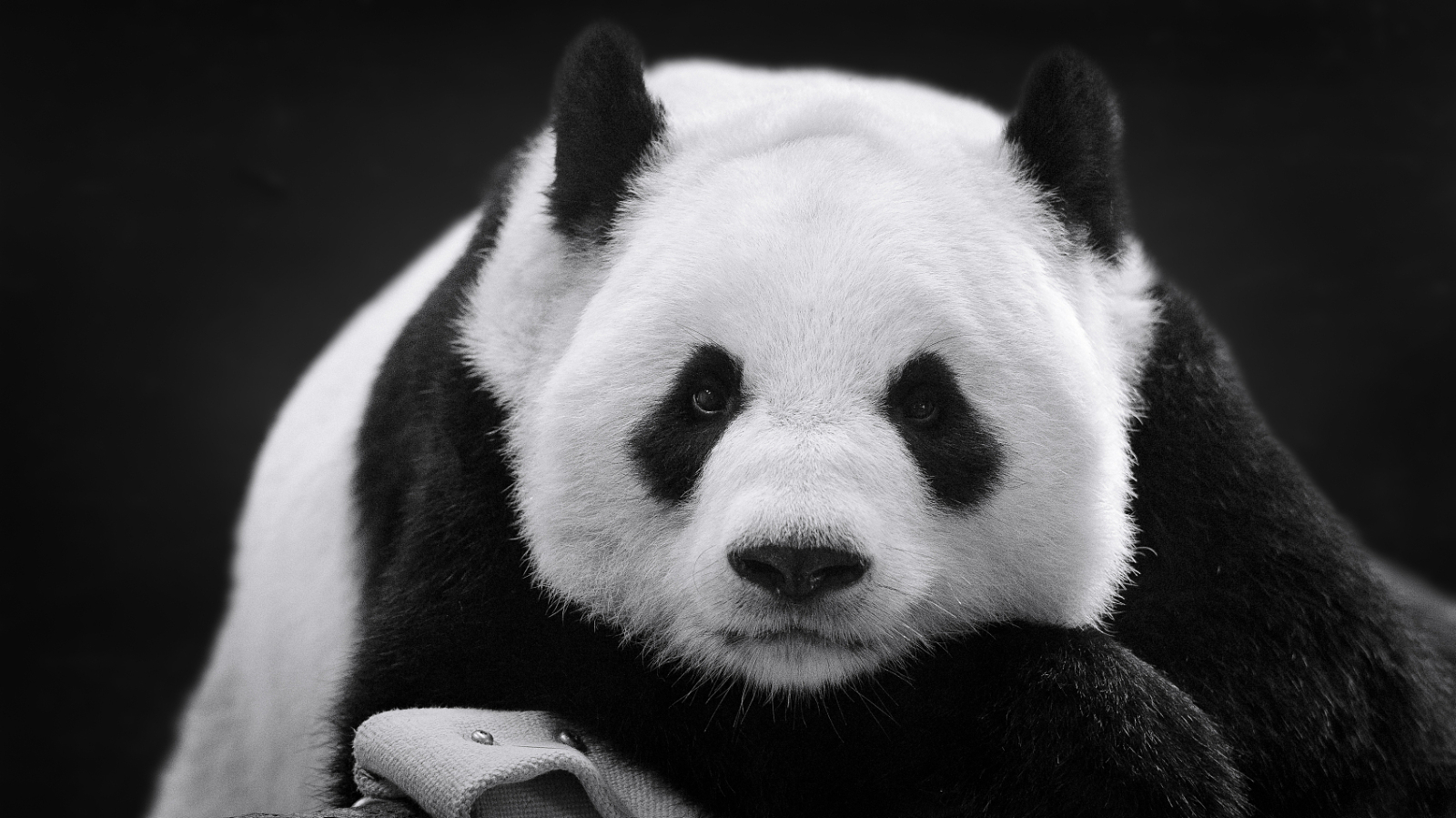
Iconic “black eye circles”: The large patches of black fur around their eyes give them a look that is innocent, slightly melancholic, or naive, easily evoking human compassion and protective instincts.
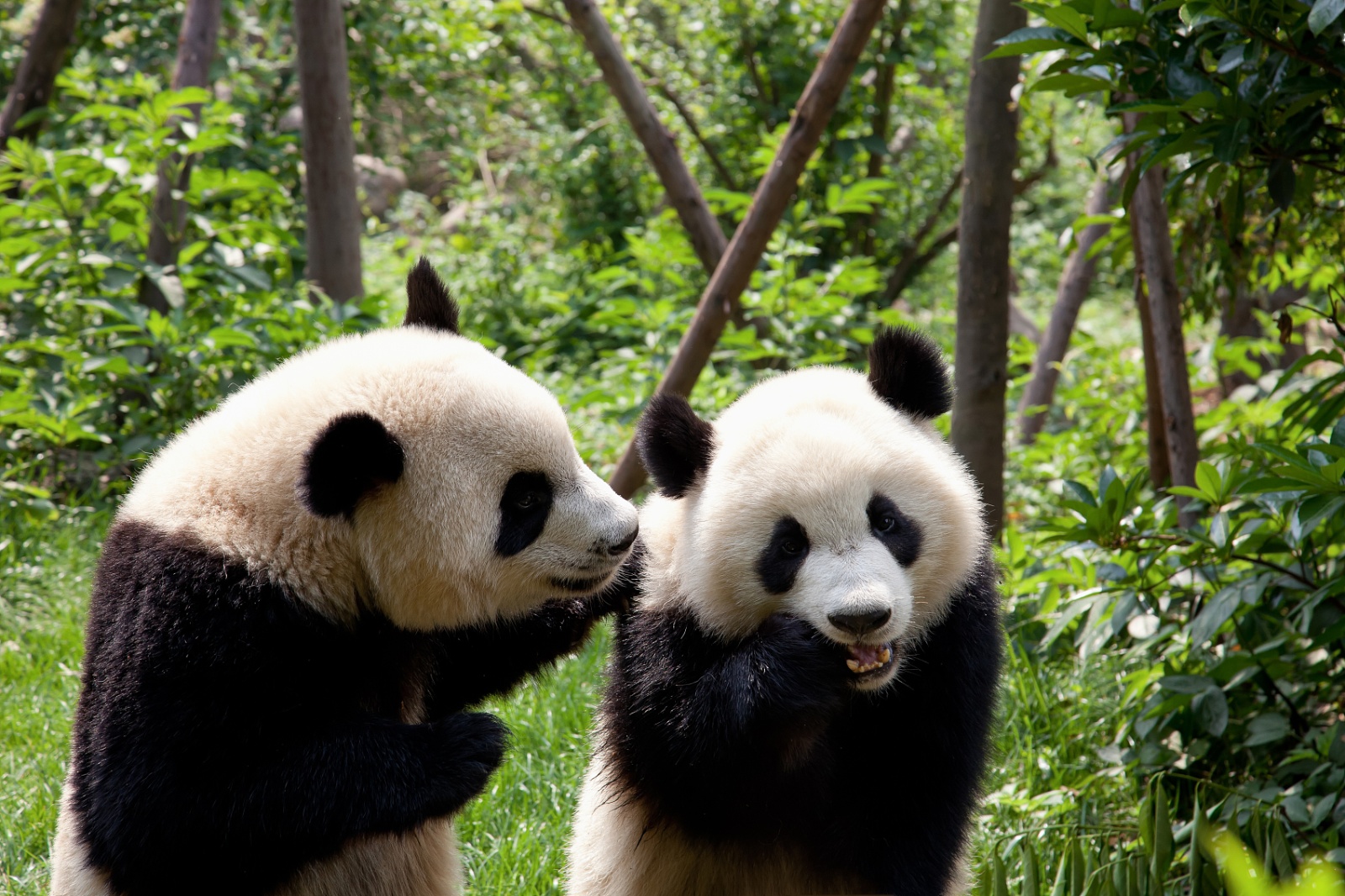
Humanized expressions and movements: Their actions and expressions while eating bamboo, playing, climbing trees, or rolling around often appear extremely adorable, silly, and amusing, easily evoking associations with human children's behavior and fostering emotional resonance.
The charm of contrast:
The contrast between the “bear” label and “cuteness”: Giant pandas are classified biologically as carnivorous bears, making them true predators. However, their gentle nature, which relies on bamboo as their primary food source (99%), combined with their extremely ‘cute’ appearance and behavior, creates a striking contrast. This “gentle soul beneath a predator's exterior” is highly dramatic and appealing.
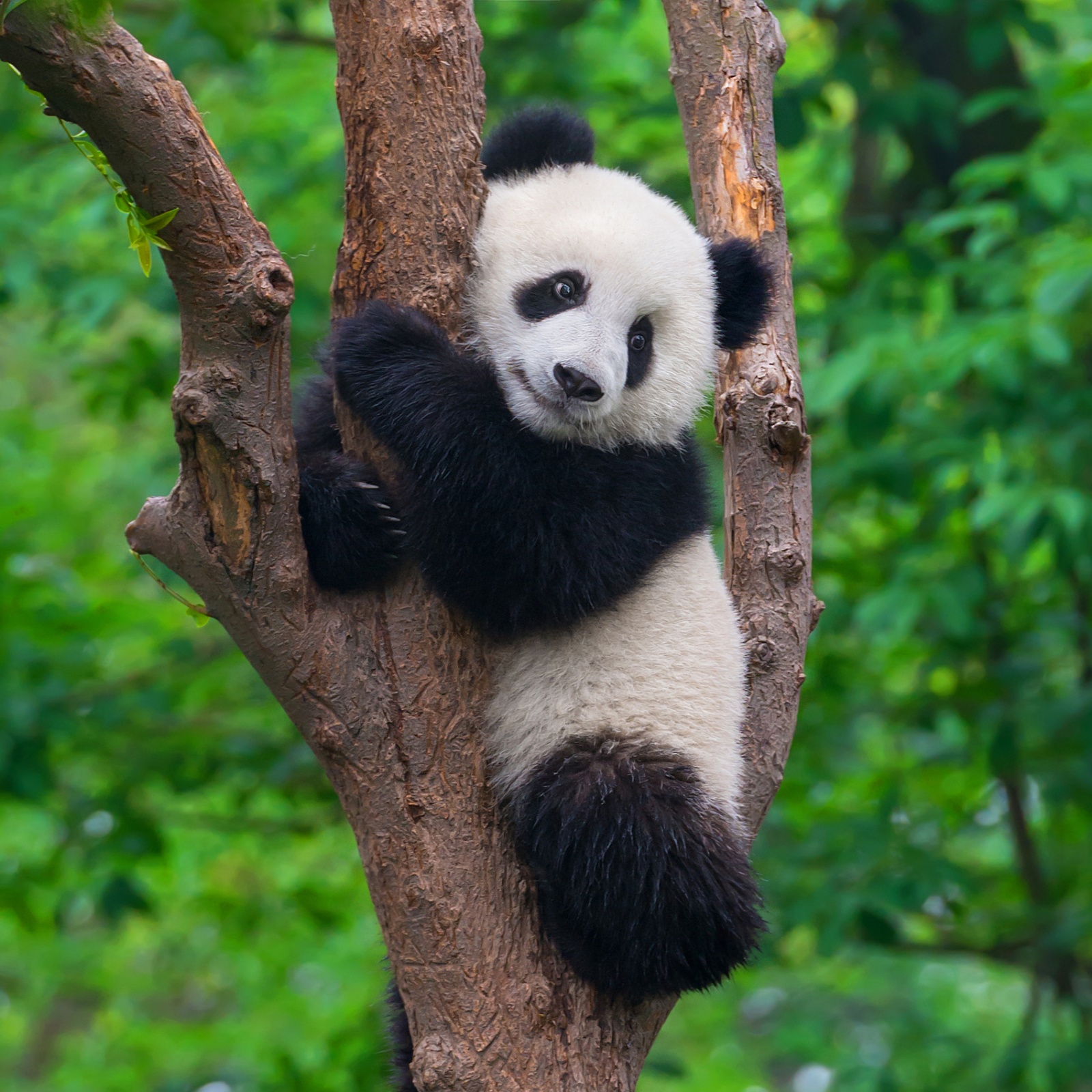
Seemingly clumsy yet agile: Despite their bulky appearance, they are highly agile when climbing trees or swimming. This “discrepancy between appearance and reality” adds to their charm.
Rarity and Symbol of Conservation:
Living Fossil: Giant pandas are one of the oldest species on Earth, having existed for at least 8 million years, earning them the title of “living fossil.” Their very existence symbolizes the miracle of evolutionary life.
Endangered status (formerly): For a long time, giant pandas were classified as critically endangered (recently downgraded to “vulnerable” due to conservation efforts). This rarity enhances their preciousness and mystique. People naturally feel a strong desire to protect and pay attention to beautiful species on the brink of extinction.
Flagship Species for Ecological Conservation: The giant panda has become a symbolic “flagship species” for global wildlife conservation. Protecting giant pandas means safeguarding the entire bamboo forest ecosystem they depend on and the countless other species within it. Their charm has successfully drawn public attention to the critical issue of biodiversity conservation.
Cultural Significance and Messenger of Peace:
China's national treasure: The giant panda is a unique endemic species of China, revered as a “national treasure” and one of China's national symbols, carrying profound cultural significance and national sentiment.
Diplomatic ambassador: “Panda diplomacy” is a unique manifestation of China's soft power. As gifts or loans to other countries, giant pandas serve as messengers of friendship and peace, greatly promoting international cultural exchange and cooperation. The “superstar” treatment they receive overseas (luxurious facilities, top-notch care, and widespread public attention) further amplifies their aura and charm.
Global Cultural Symbol: The image of the giant panda permeates various aspects of global popular culture: movies (such as “Kung Fu Panda”), animations, toys, clothing, logos, advertisements, and more. This pervasive cultural influence continues to reinforce their adorable image and positive associations (peace, friendship, cuteness, and preciousness) in people's minds.
Unique charm of behavior and habits:
Focused “foodies”: They spend a significant amount of time each day (12-14 hours) quietly sitting and munching on bamboo. Their focused, contented, and carefree demeanor is particularly soothing and relaxing in today's fast-paced modern society.
A seemingly lazy lifestyle: Besides eating, they sleep (to conserve energy). This “slow-paced” lifestyle resonates with modern people's desire for stress relief and leisurely living (though for pandas, it is a matter of survival).
Parental warmth: The sight of a panda mother caring for her cub is incredibly heartwarming. The cubs, as small as mice and with their delicate, pinkish appearance, are particularly endearing.
In summary, the charm of giant pandas is a perfect blend of these elements.