
 WhatsApp +86 13550328585
 Sal.holidays25@gmail.com
WhatsApp +86 13550328585Sal.holidays25@gmail.com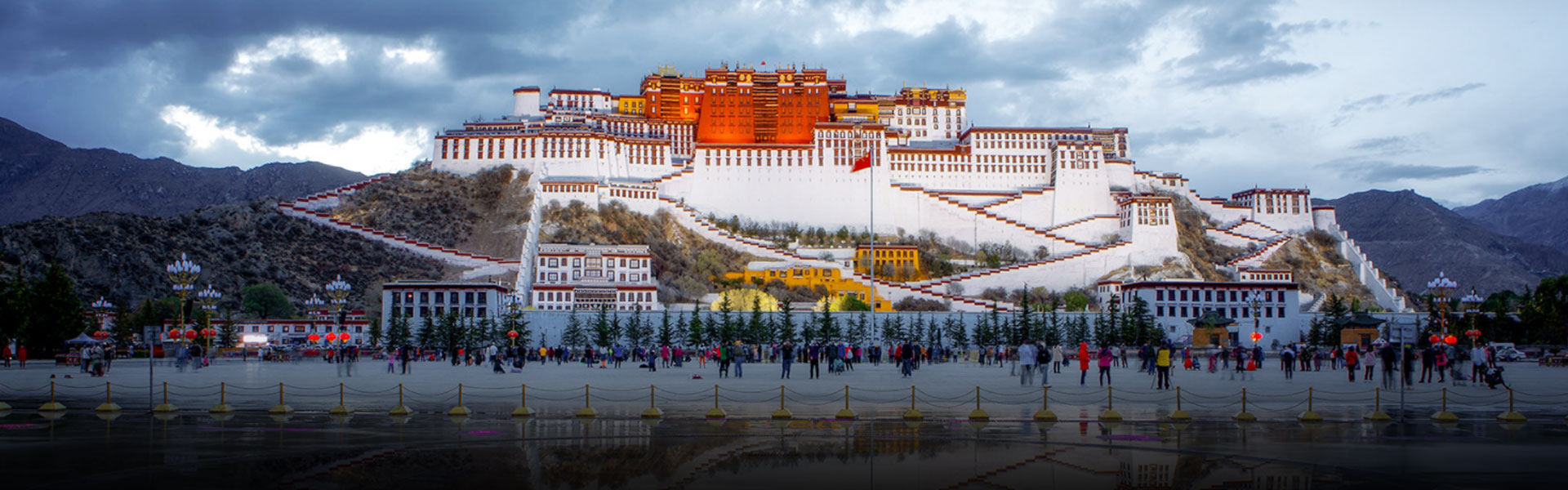
Tibet, known as the "Roof of the World," is a realm where ancient traditions harmonize with breathtaking landscapes. From the snow-capped peaks of the Himalayas to the sacred lakes that mirror the sky, this is a destination for travelers seeking profound cultural immersion and awe-inspiring vistas.
Highlights of Your Tibet Adventure
Lhasa: The Heart of Tibetan Culture
• Explore thePotala Palace, a UNESCO World Heritage Site and spiritual epicenter of Tibetan Buddhism.
• Wander through Jokhang Temple and Barkhor Street, where pilgrims circumambulate and incense fills the air with centuries-old prayers.
Mount Everest Base Camp: Touch the Sky
• Trek to Everest Base Camp (5,200m)for a sunrise view of the world’s tallest peak, crowned by golden clouds.
• Camp under starry skies, where silence speaks louder than words.
Sacred Lakes: Mirrors of the Soul
• Yamdrok Lake: A turquoise jewel nestled between mountains, revered as the "Goddess’s Tear."
• Namtso Lake: At 4,718m, it’s one of the world’s highest salt lakes—a pilgrimage site for Tibetan Buddhists.
Monasteries & Mysticism: Timeless Wisdom
• Tashilhunpo Monastery(Shigatse): Home to the Panchen Lama and a labyrinth of golden chapels.
• Sakya Monastery: A 13th-century fortress-monastery, where ancient manuscripts and murals whisper tales of forgotten empires.
Nomadic Culture: Life on the Plateau
• Ride horses with yak herders, sip butter tea in a nomadic tent, and learn to weave woolen textiles by hand.
• WitnessTibetan Opera (Lhamo), a UNESCO-listed art form blending dance, music, and mythology.
Sustainable Travel Tips for Tibet
• Respect Local Customs: Dress modestly, turn off cameras inside temples, and circumambulate clockwise.
• Protect the Environment: Use biodegradable products and avoid disturbing wildlife.
• Support Local Communities: Stay in homestays, buy handicrafts from artisans, and hire local guides.
Plan Your Tibet Odyssey
• Best Time to Visit: April–October (milder weather, festivals likeSaga DawaandShoton Festival).
• Permits Required: Foreign travelers must join a tour group and obtain a Tibet Travel Permit.
• Altitude Precautions: Acclimatize in Lhasa (3,650m) for 2–3 days before high-altitude treks.
A Comprehensive Guide to Altitude Sickness
Tibet’s majestic plateaus and sacred landscapes draw travelers worldwide, yet its high elevation (averaging 3,500–5,000 meters) poses a risk ofaltitude sickness (AMS). This guide equips you with science-backed strategies to enjoy your journey safely.
Understanding Altitude Sickness
What is AMS?
• AMS occurs when your body struggles to adapt to thin air (low oxygen levels) at high altitudes.
• Common Symptoms:
• Mild: Headache, dizziness, fatigue, nausea, and loss of appetite.
• Moderate/Severe: Shortness of breath, confusion, vomiting, or blue lips (signs of hypoxia).
• Critical Risks:
• HAPE (High-Altitude Pulmonary Edema): Fluid in lungs, causing breathlessness.
• HACE (High-Altitude Cerebral Edema): Swelling of the brain, leading to coma.
Pre-Trip Preparation: Your First Defense
1. Consult a Doctor
• Discuss travel plans if you have asthma, heart disease, or anemia.
• Ask about medications likeDiamox (Acetazolamide)(requires prescription).
2. Physical Readiness
• Cardio Training: Jog, swim, or cycle 30 mins/day, 3x/week for 6–8 weeks before travel.
• Avoid Dehydration: Stop caffeine/alcohol 1 week prior; focus on hydration.
3. Pack Smart
• Medications: Painkillers (ibuprofen), anti-nausea tabs, motion sickness bands.
• Oxygen: Portable canisters (1–2L capacity) or a pulse oximeter (to monitor blood oxygen).
During Your Trip: Acclimatization Strategies
1. Gradual Ascent
• Fly-in Protocol: If arriving by plane, spend 2–3 days in Lhasa (3,650m) before higher climbs.
• Train Travel: The Qinghai-Tibet Railway (QTR) allows gradual acclimatization (stops at 2,800m–4,500m).
2. Hydration & Nutrition
• Drink 3–4L/Day: Water, herbal teas, or oral rehydration salts (ORS).
• Eat Lightly: Prioritize carbs (oats, rice), avoid salty/greasy foods.
3. Rest & Recovery
• Sleep Strategy: Elevate your head with pillows; avoid alcohol/heavy meals before bed.
• Day 1 Rule: No hiking/strenuous activity for the first 24–48 hours.
Essential Gear for High Altitudes
1. Layered Clothing
• Base Layer: Thermal underwear (moisture-wicking).
• Mid-Layer: Fleece jacket, down vest.
• Outer Layer: Waterproof jacket, gloves, wool hat.
2. Sun Protection
• SPF 50+ Sunscreen: Apply every 2 hours.
• UV-Blocking Sunglasses: Protect eyes from snow glare.
3. First Aid Kit
• Bandages, antiseptic wipes, blister pads, and emergency contact cards.
Emergency Response: When to Act
1. Mild Symptoms:
• Rest, hydrate, and take painkillers.
• Use oxygen canisters for 10–15 mins hourly if symptoms persist.
2. Moderate Symptoms:
• Descend 300–500 meters immediately.
• Seek oxygen therapy at Lhasa’sTibet Military General Hospital(+86-891-6838000).
3. Severe Symptoms:
• HAPE/HACE: Evacuate to a hospital ASAP (e.g., Lhasa, Shigatse, or Nyingchi).
• Call local emergency services (120 in China) or your tour guide.
Cultural & Environmental Tips
1. Respect Local Wisdom
• Tibetan herbal remedies (e.g.,Hongjingtiantea) may complement medical care.
• Avoid smoking or shouting in sacred sites (e.g., Mount Kailash).
2. Eco-Friendly Practices
• Use biodegradable toiletries; avoid plastic waste in remote areas.
Key Phrases for Medical Help
• "I need oxygen" (我需要氧气):Wǒ xūyào yǎngqì
• "High-altitude sickness" (高原反应):Gāoyuán fǎnyìng
• "Hospital" (医院):Yīyuàn
📞 24/7 Tibet Tourism Hotline: +86-891-6834278 (English/Mandarin support)
By prioritizing prevention and preparation, you can transform high-altitude challenges into unforgettable adventures. Safe travels, and may your journey be as profound as Tibet’s skies!
Visual Checklist for Travelers
• Acetazolamide (if prescribed)
• Pulse oximeter
• Portable oxygen canister
• Layered clothing + sun protection
• Local emergency contacts saved
This guide balances medical rigor with practical travel tips, ensuring your Tibet experience is both enriching and safe.